
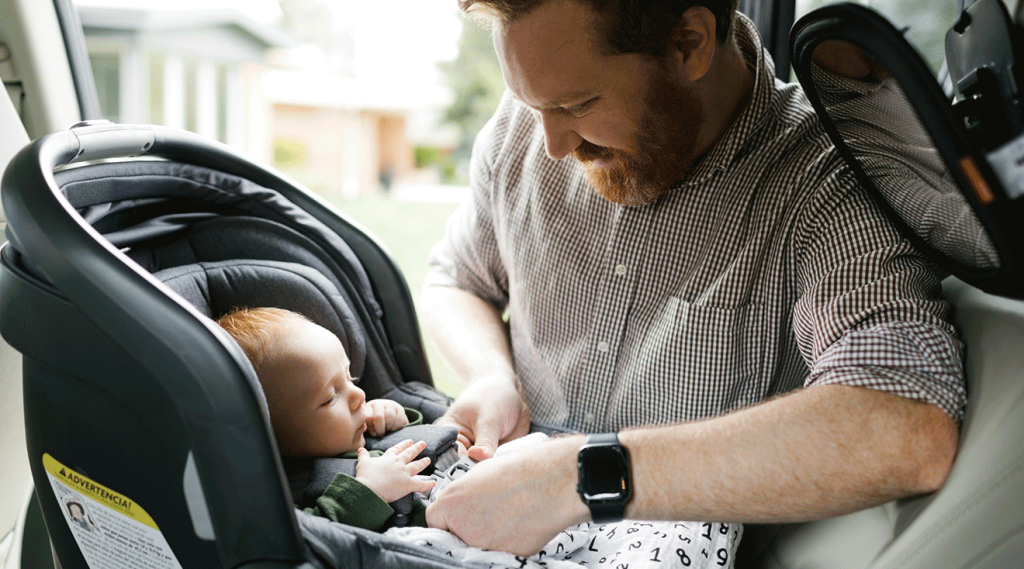
You want the best for your baby, especially when it comes to safety during car rides. But have you ever wondered how long your 3-month-old can safely stay in their car seat?
It’s a question every parent asks, because keeping your little one comfortable and secure is a top priority. You’ll discover the right amount of time your baby should spend in their car seat, what signs to watch for, and tips to make every trip safer and more comfortable.
Keep reading to ensure you’re making the best choices for your baby’s well-being.
Credit: vendblue.com
Recommended Car Seat Duration For Infants
Knowing how long your 3-month-old baby can safely stay in a car seat is crucial for their comfort and health. While car seats are essential for travel safety, extended periods can cause discomfort and potential health risks. Understanding the recommended duration helps you protect your baby while keeping trips smooth and stress-free.
Guidelines For 3-month-old Babies
At three months, babies should not spend more than 2 hours continuously in a car seat. Their small bodies are still developing, and prolonged sitting can restrict airflow or put pressure on their spines.
If you have a long trip, plan for breaks every 1.5 to 2 hours to take your baby out, stretch, and change positions. Use these breaks to feed, change diapers, and let your baby move freely.
Always ensure the car seat is installed correctly and your baby is securely fastened. Avoid adding bulky clothing that might interfere with the harness fit.
Signs Baby Needs A Break
Recognizing when your baby needs a break from the car seat is vital. Watch for fussiness or continuous crying that doesn’t stop with feeding or soothing.
Other signs include squirming, arching the back, or turning the head repeatedly. These behaviors often mean discomfort or the need to stretch.
If your baby’s skin looks red or marks appear where the straps sit, it’s time to pause the journey and check their position.
Have you noticed how your baby reacts after long rides? Paying close attention can help you avoid unnecessary discomfort and keep your little one happy on the road.
Risks Of Prolonged Car Seat Use
Keeping your baby in a car seat for extended periods might seem harmless, but it carries certain risks you should be aware of. Prolonged use can affect your baby’s breathing, posture, and overall physical development. Understanding these risks helps you make safer choices for your little one’s comfort and health.
Breathing And Posture Concerns
Babies have delicate airways that can be compromised when they sit too long in a reclined car seat position. The slouched posture may cause the head to fall forward, narrowing the airway and making it harder for your baby to breathe properly.
One mother shared how her three-month-old became fussy and had shallow breathing after a long car ride. She learned to take breaks and adjust the seat angle, which improved her baby’s comfort and breathing.
Ask yourself: Are you giving your baby enough opportunities to stretch and move outside the car seat? Frequent breaks can prevent posture issues and help maintain clear airways.
Impact On Physical Development
Extended time in a car seat can limit your baby’s ability to move freely. This restriction may slow down muscle development, especially in the neck and back, where strength is still building at three months old.
Babies need tummy time and moments of unrestricted movement to develop strong muscles and motor skills. Relying too much on a car seat can delay these critical milestones.
Think about how much time your baby spends in the car seat daily. Could you swap some of it for supervised floor play? Small changes can support healthier growth and development.
Safe Car Seat Practices
Ensuring your baby’s safety during car rides is crucial, especially when they are as young as three months old. Safe car seat practices go beyond just strapping your little one in. It involves understanding how to position and secure them properly, as well as choosing the right car seat that fits their size and developmental needs.
Proper Positioning And Harnessing
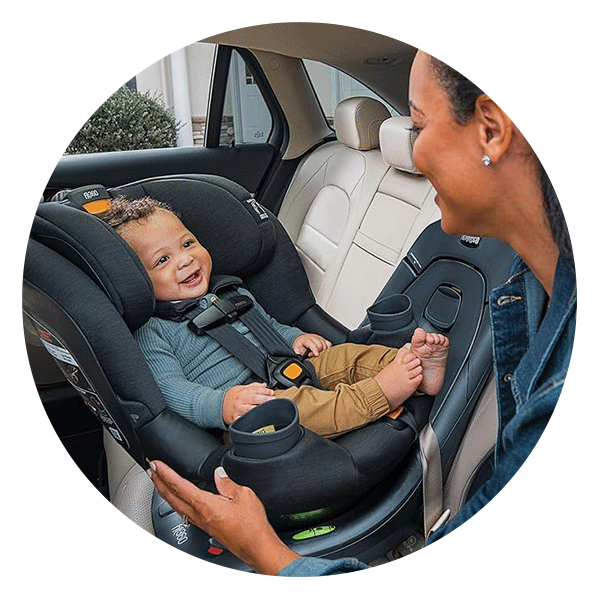
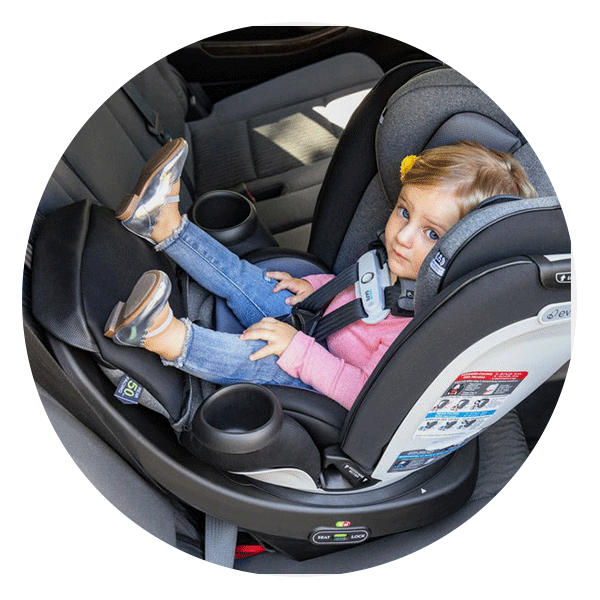
Your baby should always be placed in a rear-facing car seat until at least 2 years old or until they reach the car seat’s height and weight limits. This position supports their head, neck, and spine in case of sudden stops or accidents.
Make sure the harness straps lie flat and snug against your baby’s chest. You should not be able to pinch any slack at the shoulder level. The chest clip should be positioned at armpit height, which helps keep the harness straps in place.
Have you ever noticed how a loose harness can make your baby squirm or slip? Tightening the straps properly keeps your baby secure and comfortable during the ride.
Choosing The Right Car Seat
Select a car seat that matches your baby’s current size, not just their age. Infant car seats are designed specifically for newborns and young babies, offering the right support and protection.
Look for seats with clear labels indicating height and weight limits. This helps avoid using a seat that’s too small or too large, which can compromise safety.
Consider ease of installation, too. A securely installed car seat is key, and some models include features that make installation simpler and more foolproof.
- Check for a five-point harness system for better restraint.
- Look for car seats that have been tested and meet current safety standards.
- Think about the material and padding for your baby’s comfort on longer trips.
Alternatives During Travel
Traveling with a 3-month-old baby means you need to think beyond just the car seat. Long periods strapped in can be uncomfortable and even unsafe for your little one. Finding alternatives during travel helps keep your baby happy and healthy while making your journey smoother.
Frequent Stops And Breaks
Making regular stops is key to giving your baby a break from the car seat. Every 1 to 2 hours, pause your trip to take your baby out and let them stretch or have some tummy time.
During these breaks, you can also check on your baby’s comfort and change diapers if needed. Have you noticed how much calmer your baby becomes after a short break? It’s a simple step that prevents fussiness and discomfort.
Using Carriers And Strollers
Carriers and strollers offer great alternatives when you’re not driving. A soft, ergonomic baby carrier keeps your infant close while allowing you hands-free movement.
Strollers give your baby a comfortable place to rest and enjoy fresh air during stops. Switching between car seat and stroller helps avoid overexposure to the same position.
Try carrying your baby in a wrap for a while—this can soothe them and reduce pressure from the car seat. Have you found a favorite carrier or stroller that makes travel easier for both of you?
Monitoring Baby’s Comfort
Ensuring your baby’s comfort in the car seat is crucial. A happy baby makes for a peaceful journey. Regularly check on your baby to avoid discomfort. This is especially important for babies around 3 months old. Let’s dive into how you can monitor and ensure your baby’s comfort.
Recognizing Discomfort Signals
Babies can’t tell you they’re uncomfortable. They show it through signals. Crying is the most common sign. Pay attention to sudden bursts of crying. Watch for changes in their facial expressions. Frowning or scrunching their face can indicate discomfort. Squirming or arching their back might also signal unease. Listen for unusual sounds or changes in breathing patterns.
Tips For Soothing In The Car
Keep your baby calm with soothing techniques. Play soft music or gentle lullabies. Use a pacifier to help them relax. Ensure the car seat is properly adjusted. Check that the straps aren’t too tight or too loose. Keep the car at a comfortable temperature. Avoid dressing the baby in thick layers. Bring a favorite toy or blanket for comfort. Make sure they’re fed and changed before the trip. Take breaks during long drives to stretch and comfort your baby.
Credit: vendblue.com

Credit: www.madeformums.com
Frequently Asked Questions
How Long Can A 3-month-old Stay In A Car Seat?
A 3-month-old baby should not stay in a car seat longer than 2 hours at a time. Prolonged sitting can affect breathing and cause discomfort. Always take breaks during long trips to remove the baby and allow movement.
Is It Safe For Babies To Sleep In Car Seats?
Short naps in car seats are generally safe, but extended sleep is not recommended. Car seats do not provide ideal head and neck support for long sleep periods. Always monitor your baby closely and avoid long durations in the seat.
What Signs Show Baby Is Uncomfortable In Car Seat?
Look for fussiness, excessive sweating, or changes in breathing as signs of discomfort. If your baby arches their back or tries to move frequently, it may indicate pain or distress. Adjust or take breaks as needed to keep your baby comfortable.
When Should Babies Stop Using Infant Car Seats?
Babies should transition out of infant car seats once they reach the seat’s height or weight limits. Usually, this happens around 12 months but varies by model. Always follow manufacturer guidelines for safety and proper fit.
Conclusion
Babies should not stay in car seats for too long. Three months old babies need breaks from sitting. Long periods can cause discomfort and affect their health. Always follow safety guidelines and check your baby often. Use the car seat only for travel, not for sleep at home.
Keep your baby safe and comfortable during every trip. Remember, short rides are better for your little one’s well-being. Stay informed and attentive to your baby’s needs while traveling.